In today’s digital age, securing sensitive information in health and life insurance documents is more critical than ever. CNC cutting materials offer a sophisticated solution by creating intricate designs that deter unauthorized access. These materials not only enhance durability but also minimize tampering risks. As you explore the various aspects of CNC cutting, you’ll uncover how these innovations can greatly bolster document security and build trust with clients. What specific advantages do these materials bring?
Key Takeaways
- CNC cutting creates intricate document designs that are challenging to replicate, enhancing security against unauthorized access in health and life insurance.
- Durable materials like high-density plastics ensure that important documents resist wear and tear, extending their lifespan and reliability.
- Tailored CNC-cut documents provide a professional appearance and reduce the risk of tampering or fraud, safeguarding sensitive client information.
- Advanced materials, such as polycarbonate, offer superior durability and tamper resistance, essential for maintaining document integrity in the insurance sector.
- Integration of CNC cutting with digital technologies enables better tracking and validation of documents, further enhancing security measures in insurance operations.
What Materials Can Be Used for CNC Cutting?
When it comes to CNC cutting, the choice of materials is essential for achieving ideal results. You’ll find that a range of materials can be used for CNC cutting, each offering unique benefits. Common options include wood, which allows for intricate designs; acrylic, known for its clarity and versatility; and metals like aluminum, which provide durability. If you’re considering composite materials, they can combine strengths of various substrates for specialized applications. Additionally, plastics such as PVC or HDPE are popular for their ease of machining. Understanding what materials can be used for CNC cutting is vital, as it affects not just the project’s aesthetic appeal but also its functionality and security, particularly in sensitive documents like insurance papers.
How CNC Cutting Strengthens the Durability and Security of Insurance Documents
Although many factors contribute to the overall security of insurance documents, CNC cutting plays an essential role in enhancing their durability and preventing unauthorized access. By utilizing precise cutting techniques, CNC machines create intricate designs that are difficult to replicate, adding an extra layer of security. The materials used for CNC cutting, such as high-density plastics or specialized composites, are often more resistant to wear and tear compared to traditional paper. This durability guarantees that your important documents withstand the test of time, reducing the risk of damage that could lead to breaches. By investing in CNC-cut materials, you’re not only protecting your information but also fostering a sense of trust and reliability in your insurance documentation process.
Advantages of Using CNC-Cut Materials in Insurance Documents
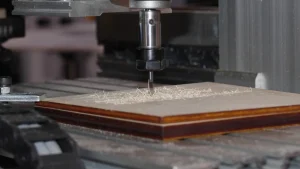
CNC-cut materials offer significant advantages for enhancing the security and functionality of insurance documents. By utilizing precise cutting techniques, these materials guarantee that your documents are tailored to exact specifications, reducing the risk of tampering or fraud. The consistency in quality and design means your documents maintain a professional appearance, fostering trust among clients. Additionally, CNC cutting allows for intricate designs, which can include unique patterns or features that deter unauthorized replication. You’ll find that incorporating materials such as plastics, metals, and even specialized composites elevates the durability and longevity of your documents. This attention to detail not only safeguards sensitive information but also reinforces your commitment to quality and security in the insurance industry.
Why Document Security Matters in Insurance?
In an era where data breaches and identity theft are rampant, ensuring document security in the insurance industry is paramount. You rely on sensitive information to maintain trust with your clients, and any compromise can lead to significant consequences. Here’s why document security matters:
- Protects personal data from unauthorized access and misuse.
- Safeguards your organization’s reputation and client relationships.
- Complies with legal regulations and industry standards.
Emerging Trends in CNC Cutting for Document Security
As the demand for enhanced document security grows, innovative trends in CNC cutting are emerging to meet this need effectively. One significant trend is the use of advanced materials, such as polycarbonate and reinforced composites, which provide superior durability and resistance to tampering. These materials are increasingly favored for their ability to withstand various environmental factors while maintaining legibility. Additionally, automation in CNC cutting processes is streamlining production, ensuring precision and reducing human error. You’ll also find that integration with digital technologies, like RFID tags, is becoming commonplace, allowing for better tracking and validation of documents. By leveraging these trends, you can enhance your organization’s document security, ultimately fostering trust and reliability within your insurance operations.
Conclusion
Incorporating CNC cutting materials into health and life insurance documents markedly boosts their security and durability. The intricate designs and high-quality materials deter tampering and unauthorized access, ensuring your sensitive information remains protected. As the industry embraces these advanced techniques, you’ll find that the trust forged between clients and organizations enhances overall credibility. Ultimately, investing in CNC-cut documents not only safeguards information but also positions your organization as a leader in document security amidst evolving digital challenges.
You May Also Like To Read: